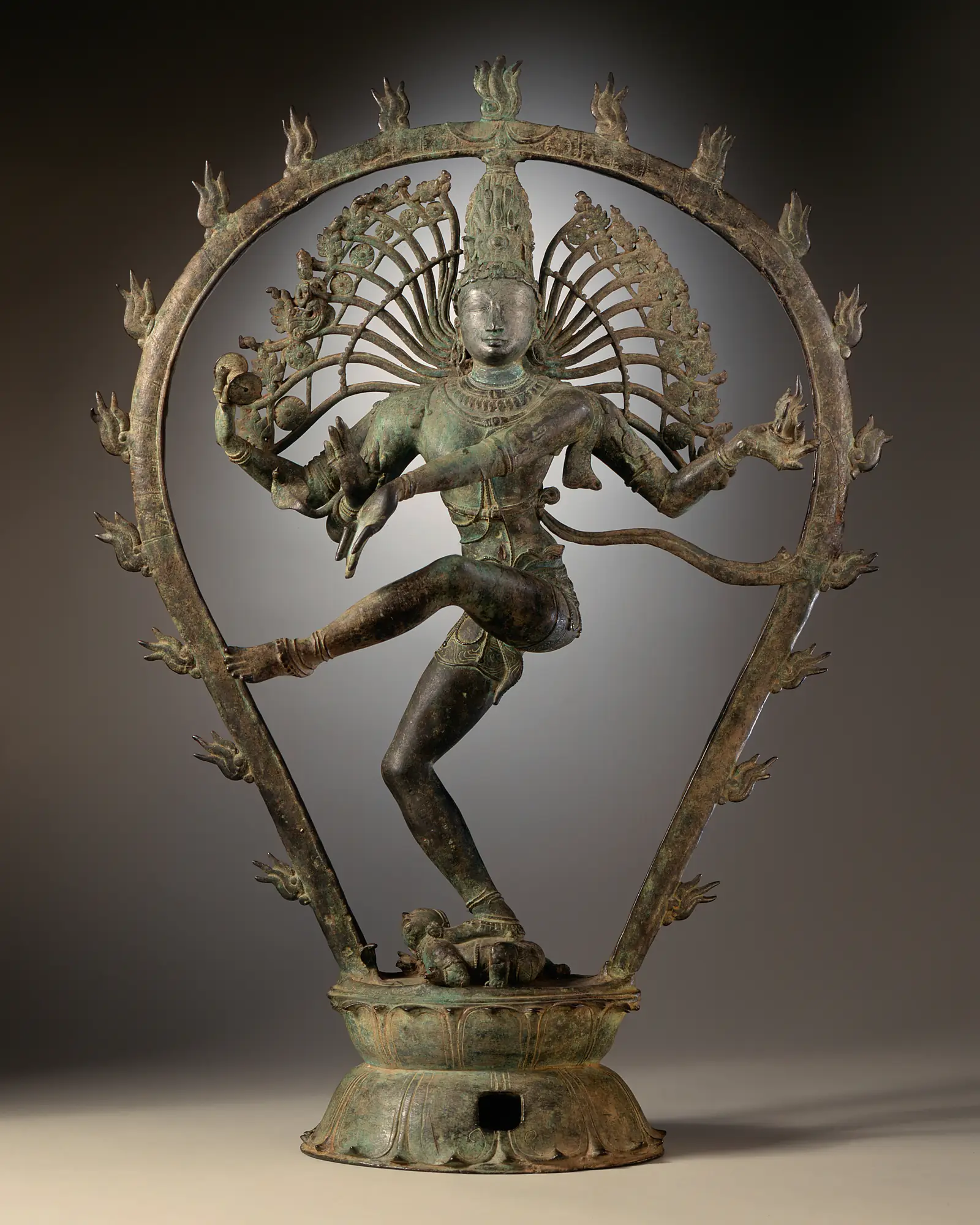
The deities you will meet first
Fifteen names cover most of what you will see in homes, temples, and festivals.
Each deity has a form you can recognise: Ganesha's elephant head, Shiva's trident and crescent moon, Vishnu's conch and discus, Hanuman's mace. The attributes are not decoration; each one carries a meaning, and every deity page on Dharamkira explains them one by one.
The list below is the order in which most people meet them. Tap any name for the deity's origins, the tales told about them, and what the tradition says they teach.
In the tradition's words
यदा यदा हि धर्मस्य ग्लानिर्भवति भारत । अभ्युत्थानमधर्मस्य तदात्मानं सृजाम्यहम् ॥ परित्राणाय साधूनां विनाशाय च दुष्कृताम् । धर्मसंस्थापनार्थाय सम्भवामि युगे युगे ॥
Yadā yadā hi dharmasya glānir bhavati bhārata, abhyutthānam adharmasya tadātmānaṁ sṛjāmy aham. Paritrāṇāya sādhūnāṁ vināśāya ca duṣkṛtām, dharma-saṁsthāpanārthāya sambhavāmi yuge yuge
Whenever dharma declines, I come — age after age. The idea behind the avatars.
- GaneshaRemover of obstacles; worshipped first, before any beginning.
- ShivaThe ascetic on the mountain and the householder; destroyer and renewer.
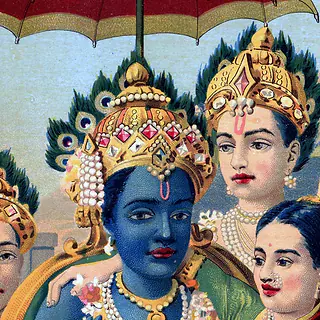
- VishnuThe sustainer, who returns as avatars — Rama and Krishna among them.
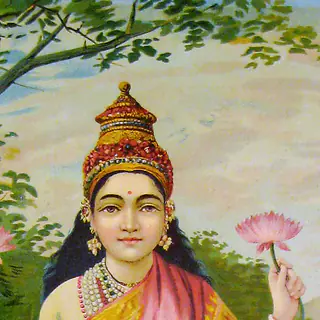
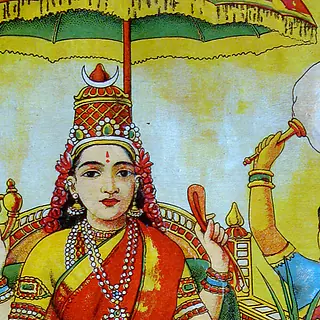
- LakshmiProsperity and grace; the goddess of Diwali night in most of India (Bengal keeps that night for Kali).
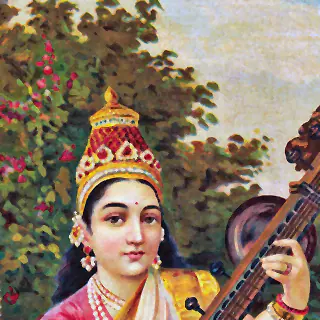
- SaraswatiLearning, speech, and the arts; honoured by students.
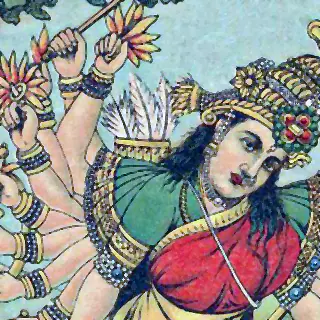
- Durga MataThe Goddess as protector, riding the lion; the nine nights of Navratri are hers.
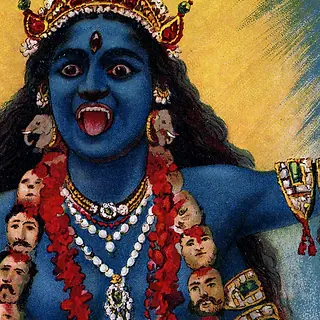
- Kali MataThe fierce form of the Mother, who ends what must end.
- ParvatiShiva's consort; mother of Ganesha and Kartikeya; the gentle Goddess.
- RamaThe ideal king of the Ramayana; his name is the simplest mantra.
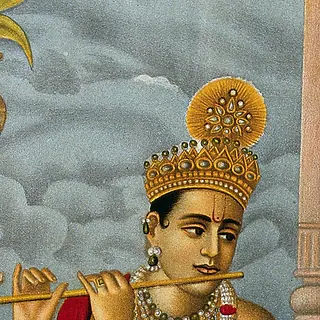
- KrishnaThe child of Gokul, the flute of Vrindavan, the teacher of the Gita.
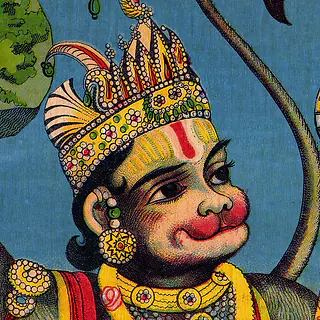
- HanumanDevotion and strength together; Rama's servant, never once boastful.
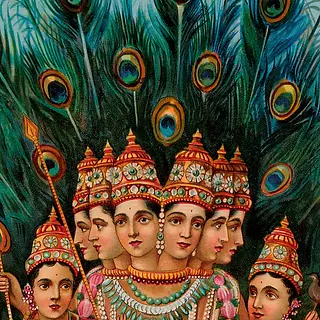
- KartikeyaThe general of the gods; Murugan in the south, riding the peacock.
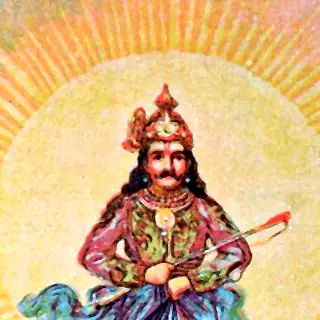
- SuryaThe sun — the one god everyone can see.
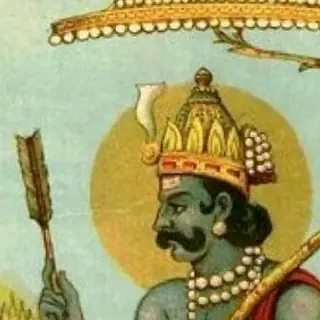
- Shani DevSaturn; the slow teacher, feared and respected.
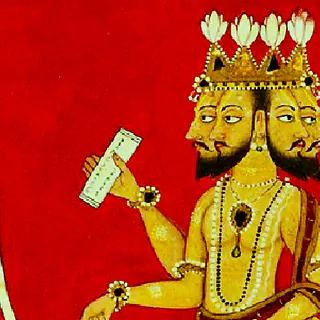
- BrahmaThe creator, first of the Trimurti — and rarely worshipped.
Where this comes from
The one-line descriptions summarise each deity's profile on Dharamkira, which names its own scriptural sources (Shiva Purana, Devi Mahatmya, Bhagavata Purana, Valmiki Ramayana, and others).