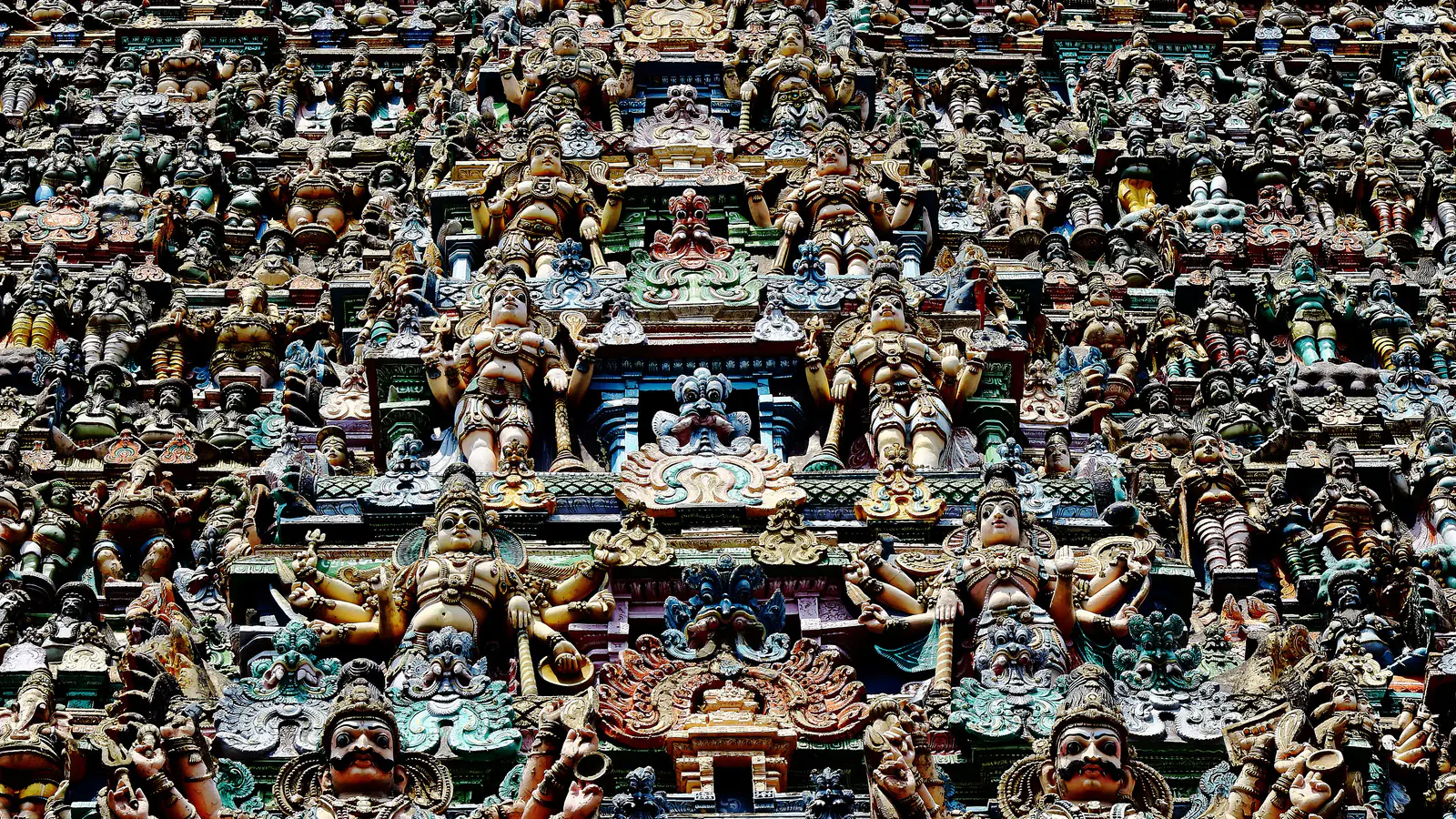
One truth, many gods
Hindus can worship many deities and still speak of one reality, because the deities are the faces through which that reality is approached.
The Rigveda says it in one line: "Truth is one; the wise call it by many names" (1.164.46). The Upanishads call that one reality Brahman — not a person in the sky but the ground of everything, including you. "That you are," a father tells his son in the Chandogya Upanishad (6.8.7).
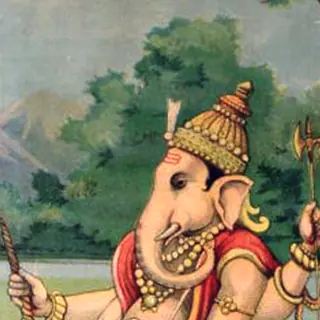
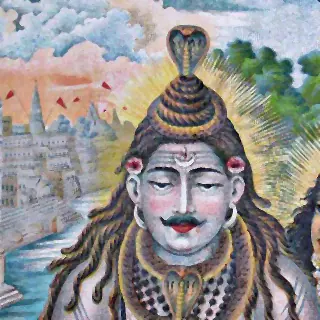
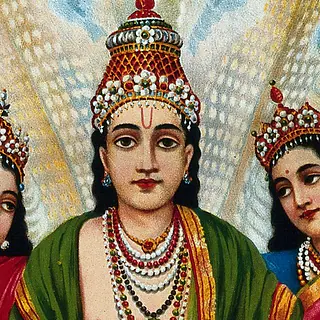
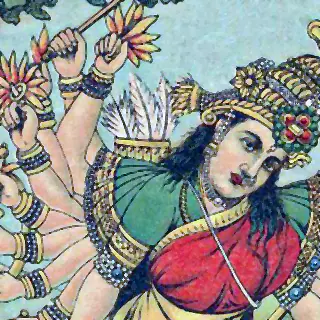
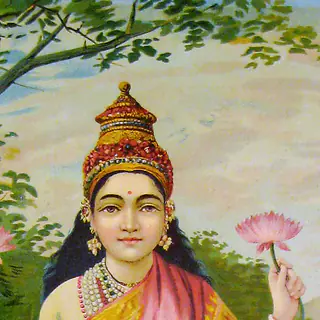
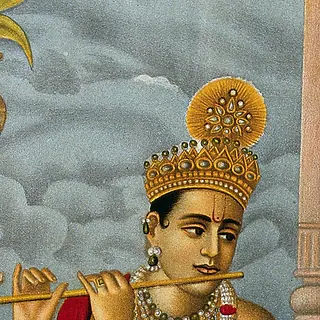
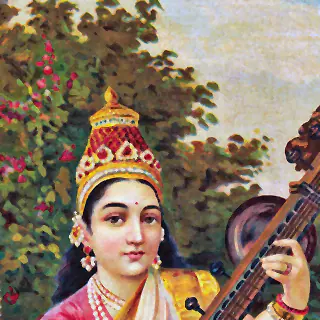
The deities — Shiva, Vishnu, the Goddess, Ganesha, and hundreds more — are how that reality is approached with a face, a story, and a name you can call. Most Hindus have an ishta-devata, a chosen or family deity, and honour others on their days. Nobody is asked to pick one and reject the rest.
Three roles are often named together: Brahma who creates, Vishnu who sustains, Shiva who dissolves and renews — the Trimurti. The Goddess (Devi, Shakti) is the power that moves all three, and in Shakta traditions the supreme reality itself.
If you are asking "which god should I pray to?", the traditional answer is gentle: the one your family keeps, or the one whose story draws you. In the Gita, Krishna says he meets people in whatever way they come to him (4.11).
In the tradition's words
ये यथा मां प्रपद्यन्ते तांस्तथैव भजाम्यहम् । मम वर्त्मानुवर्तन्ते मनुष्याः पार्थ सर्वशः ॥
ye yathā māṃ prapadyante tāṃs tathaiva bhajāmy aham, mama vartmānuvartante manuṣyāḥ pārtha sarvaśaḥ
In whatever way people approach me, in that way I receive them; whatever path they take, Partha, it is my path they follow.
See it
Where this comes from
Rigveda 1.164.46 (ekam sat viprā bahudhā vadanti). Chandogya Upanishad 6.8.7 (tat tvam asi). Bhagavad Gita 4.11.